
Stainless Steel Equipment for Commercial Kitchens: A Buyer’s Guide
Opening or renovating a restaurant, café or central kitchen? Here is what to check before ordering stainless steel tables, sinks, hoods and shelving.
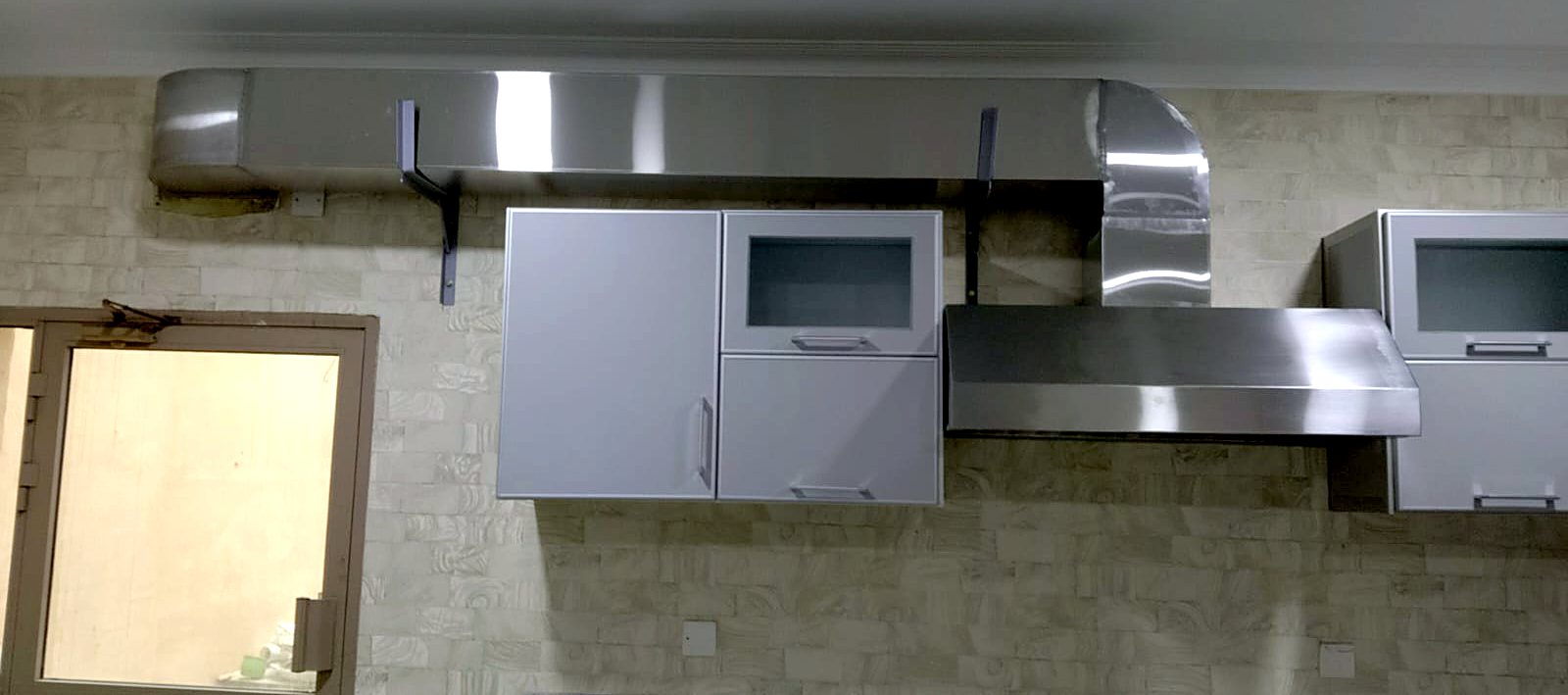
Made to measure or ready-made?
Imported ready-made equipment comes in fixed sizes. If your kitchen has columns, odd corners or a tight layout, made-to-measure equipment uses every centimetre and avoids gaps where dirt collects. It can also be built around your existing drains, gas points and power sockets.
Choose the right grade
- 304 stainless steel is the standard for food contact surfaces: work tables, sinks and shelves.
- 201 is cheaper but less corrosion resistant; it can stain with salt, acids and strong cleaning chemicals.
- Ask your supplier which grade they use for the tops and which for the frames.
Check the sheet thickness
Thicker sheet gives a work table that does not flex or dent when you chop or put heavy pots on it. Thin tops are a common way to cut cost. Ask for the thickness of the top, the undershelf and the legs.
Details that make a difference
- Backsplash on tables against a wall stops water and food running down behind them.
- Undershelf for storage, and adjustable feet to level the table on uneven floors.
- Rounded corners and smooth welds are easier to clean and pass hygiene inspection.
- Sinks with the right bowl size for your trays and pots, and a drainboard on the correct side.
Kitchen hoods
The hood should cover the full length of the cooking line with some overhang at each end, and must be connected to properly sized ducting and an exhaust fan. Grease filters should be easy to remove for cleaning. Plan the hood together with your MEP contractor so the duct route works.
What to send for a quote
- Your kitchen layout drawing, or a sketch with measurements.
- A list of items: tables, sinks, hoods, shelving, trolleys.
- Photos of the space if it already exists.
- Your opening date, so the equipment is ready in time.